
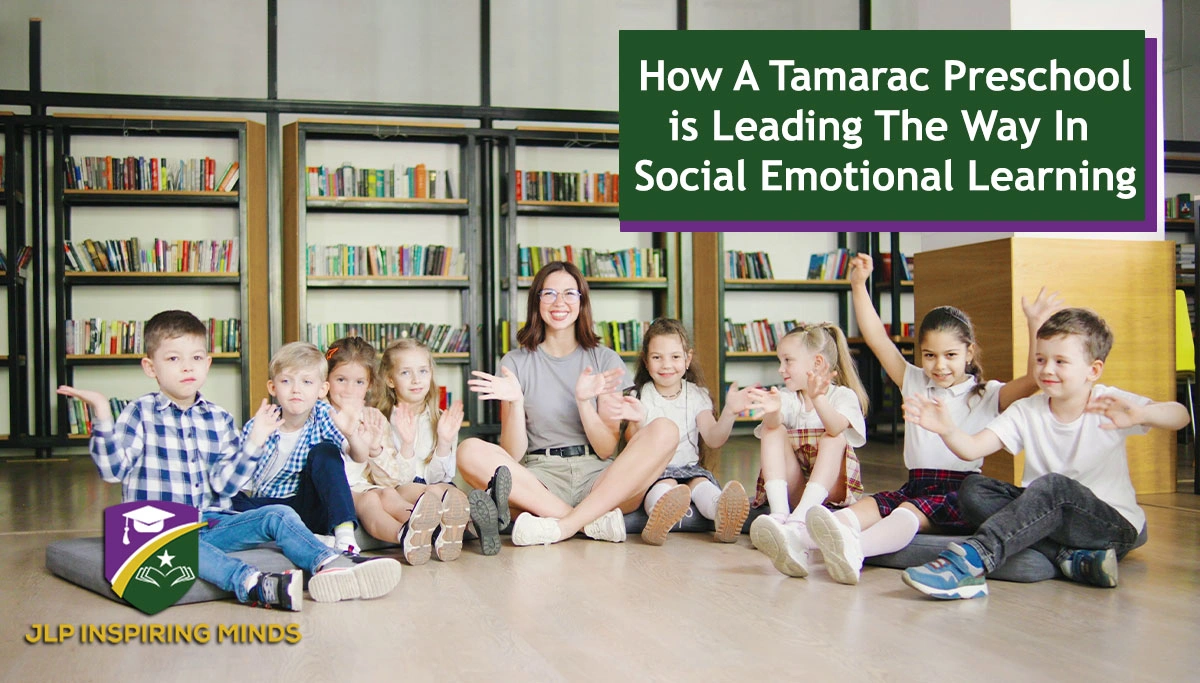
Social-emotional learning teaches children how to understand their feelings, build healthy relationships, and make responsible decisions. It helps young minds grow more confident, empathetic, and ready to thrive in and out of the classroom. As a parent, choosing a preschool that prioritizes this kind of development gives your child a real advantage. Here is how one trusted Tamarac preschool is leading the way in social-emotional learning and what it means for your family.

Social-emotional learning helps children understand their emotions, manage their behavior, and build strong relationships from an early age. It teaches them how to express themselves, connect with others, and make thoughtful decisions in everyday situations. Here are the benefits:
Self-Awareness and Self-Management
Self-awareness helps your child recognize their emotions and understand how those feelings shape their actions. When they can name what they’re feeling, they gain more control over how they react. Self-management builds on this by teaching them how to stay calm when upset, follow directions, and bounce back after setbacks, whether they’re learning to take turns or working through frustration during play.
Social awareness teaches your child to notice the feelings and needs of others, which is essential for forming respectful friendships. They begin to understand how their actions affect people around them. Through relationship skills, they learn to share, take responsibility during group play, and use kind words to solve problems, giving them the confidence to navigate social settings at school and home.
Responsible Decision-Making
Responsible decision-making gives children the ability to think before they act. They start asking themselves simple, but important questions like: Is this safe? How will this affect my friend? These benefits support both classroom success and lifelong resilience. Explore more on how private schools help children develop emotional intelligence.
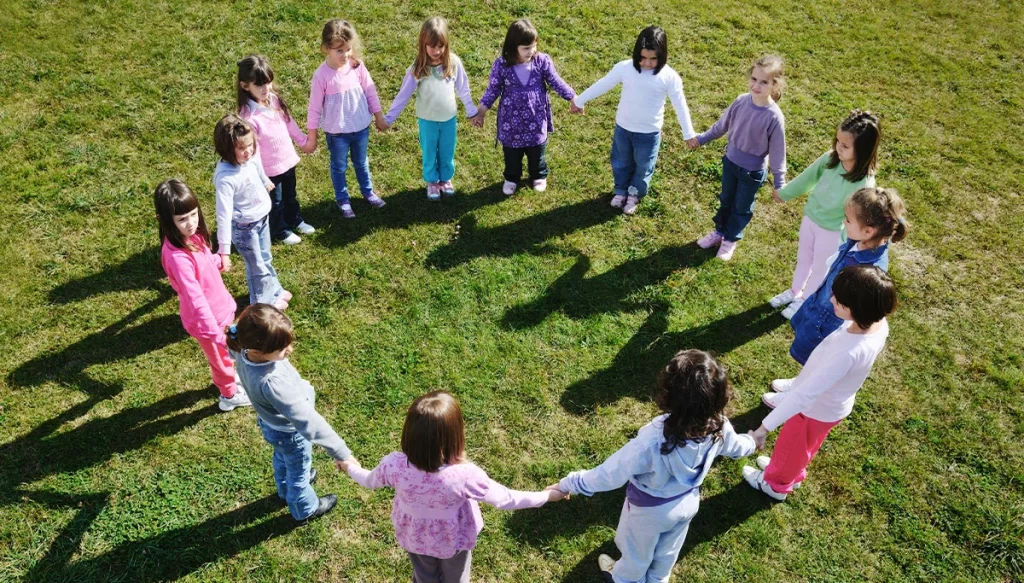
A Tamarac preschool is doing something different. It’s not just teaching the alphabet or counting to ten. It’s helping children grow into kind, confident, and emotionally strong individuals. As a parent, that kind of learning matters. It prepares your child to handle real-life situations with heart and awareness.
1. SEL Woven into Every Lesson
Social-emotional learning is not treated as a separate subject. Instead, it is built into the rhythm of the day during story time, art projects, and classroom conversations. Early learning programs include structured activities that help children identify emotions, learn problem-solving skills, and practice collaboration.
Teachers guide children through reflection and emotional expression using age-appropriate tools and language l. As children grow in their ability to understand themselves and others, they become more confident in navigating daily challenges, both in and out of the classroom.
2. Emotionally Safe, Supportive Classrooms
Young children thrive in environments where they feel safe, seen, and supported. In this preschool, emotional safety is created through consistent routines, warm greetings, and spaces where students are free to express their feelings without judgment. Teachers support this by remaining calm, attentive, and responsive to each child’s needs.
Small class sizes allow teachers to build meaningful relationships and respond quickly when a child is struggling. Rather than reacting with consequences alone, staff work with children to understand emotions and explore better ways to communicate and problem-solve.
3. Hands-On Activities Build Empathy
Activities such as gardening, music, and cooperative games are designed not only to teach content but to build emotional intelligence. When children care for plants, share materials during group work, or sing together, they practice compassion, patience, and cooperation in real situations.
Exposure to different cultures and traditions through classroom celebrations also plays a key role. Children learn to respect differences and connect with others who may not look or live like they do. These experiences make empathy more than a word. It becomes part of daily life.
4. Emotionally Aware Teachers
Teachers are trained to support the emotional development of every child, not only their academic progress. They help students recognize feelings, name them out loud, and choose healthy ways to respond. This work happens consistently and intentionally across the school day.
Educators also model the behavior they expect from students. Children learn how to manage emotions because they see it demonstrated with patience, clarity, and care. This child-centered approach is part of what makes the curriculum stand out.
5. Families Are True Partners
Parents and caregivers play an active role in social-emotional learning. This preschool keeps families informed through regular updates, activity suggestions, and opportunities to participate in classroom life. The goal is to make sure children receive consistent support both at home and at school.
Workshops, parent meetings, and school events help build trust and encourage two-way communication. When families and educators work together, children benefit from shared values and a deeper sense of connection in every part of their world.
6. Conflict Resolution Is Practiced Early
Learning how to manage conflict is a vital part of social-emotional growth, and our Tamarac preschool introduces these skills early. Children are supported as they navigate disagreements, whether it’s over a toy, a turn, or a misunderstanding. Teachers guide them through the process of expressing their feelings clearly, listening to others, and working together to find a solution that feels fair to everyone involved.
These everyday moments become valuable teaching opportunities. Instead of simply reacting to conflict, children are coached on how to respond thoughtfully and respectfully. Over time, they develop confidence in speaking up, empathy for their peers, and the ability to stay calm under pressure. By practicing conflict resolution early, children build the foundation for healthier relationships both now and in the future.
A School Culture Rooted in Connection
Children are more open to learning when they feel emotionally connected to the people around them.The supportive environment plays a key role in promoting student wellness. Discover how private schools promote well-being alongside academics.
Rather than focusing only on individual achievement, the school helps children build meaningful bonds. These relationships teach children how to listen, support each other, and work together toward shared goals. The result is a school where connection drives both emotional and academic growth.
Here’s how the school fosters strong connections every day:
- Classrooms are arranged for small group play
- Students share jobs and classroom responsibilities
- Daily check-ins help students talk about their feelings
- Children work on group projects together
Enroll Your Child in Our Tamarac Preschool Today
Choosing the right preschool means more than checking off academic boxes. At JLP Inspiring Minds in Tamarac, your child will be nurtured, supported, and challenged in all the right ways. The school’s strong focus on social-emotional learning helps children grow into kind, confident, and capable individuals.
If you’re looking for a place where your child will feel valued, understood, and inspired every day, JLP Inspiring Minds has you covered. Our team is ready to welcome your family and guide your child through a learning journey that builds both heart and mind.