

- Being Prepared For Kindergarten
- Things To Consider
- How a Tamarac Kindergarten Program Supports Readiness
- Why Kindergarten Readiness Matters
- Activities To Promote Being Kindergarten Ready
- How To Choose The Right Kindergarten Program
- Questions To Ask When Touring A Kindergarten
- The Best Kindergarten Program in Tamarac
Starting kindergarten is a major milestone in your child’s life, and it is often the first step into a more structured academic environment, along with their emotional and social development.
While this next step in their lives can be very exciting, it also raises questions for parents and guardians, the most prominent one being “Is my child ready?”
The following gives some things to take into consideration when worrying if your child is prepared or ready for Tamarac kindergarten.
Being Prepared For Kindergarten
Your child’s readiness for kindergarten goes beyond just knowing some letters and numbers.
It is a combination of their academic, social, emotional, as well as their physical skills that help them to adapt and thrive in a classroom setting.
Kindergarten ready children often show the ability to:
- Communicate their needs
- Are able to express their emotions clearly
- Can follow simple directions and routine
- Focus on simple tasks for short periods of time
- Interact with others through shared play
When looking at the above, remember that no two children are alike. This is not a checklist that needs to be ticked off for them to be ready for kindergarten; they are simply things to keep in mind when considering if your child is ready.
Things To Consider
Here are some of the key indicators that your child may be prepared to start kindergarten:

- Shows an interest in engaging and playing with others
- Is able to interpret others’ emotions
- Can follow directions given
- Takes turns when playing with others
- Can begin to self-regulate their own emotions
Cognitive Development
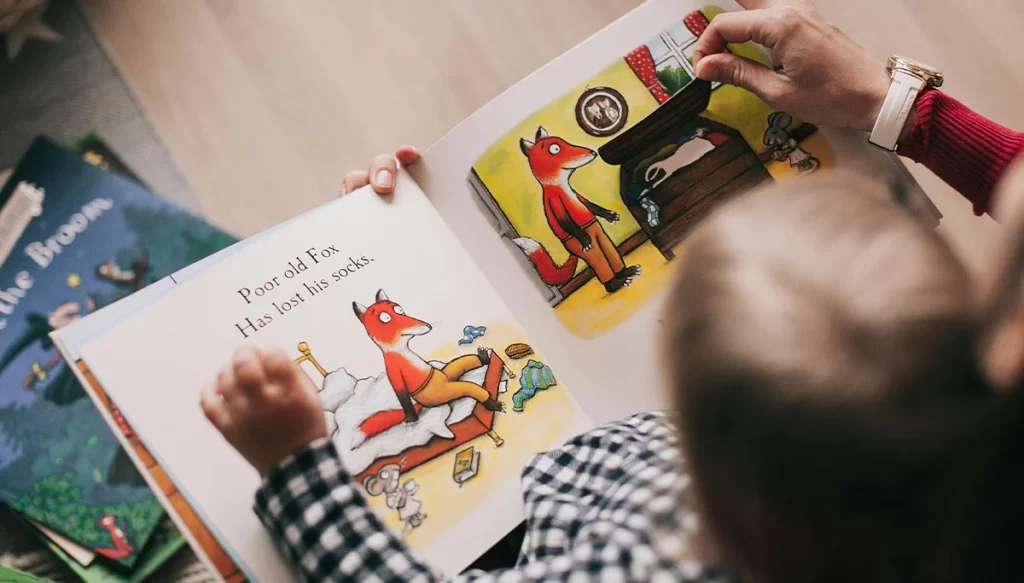
- Recognizes and can name some shapes and colors
- Can identify some letters of the alphabet
- Counts to ten or higher
- Can understand simple stories and answer questions
Physical Development
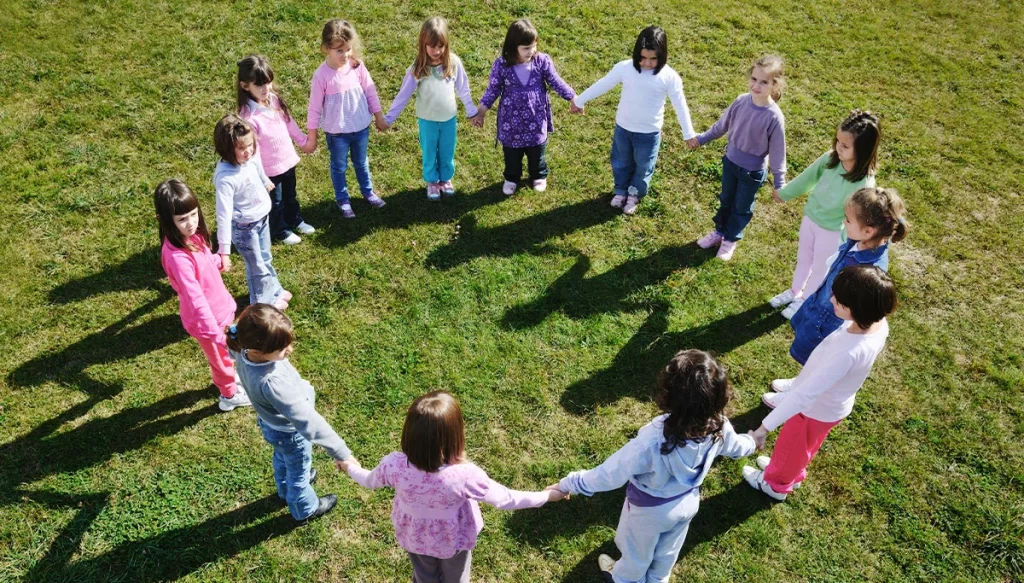
- Has developedsome fine motor skills such as holding a pencil
- Can sit still and pay attention for short periods
Communication Skills
- Speaks in complete sentences
- Can follow short step directions (2-3 steps)
- Can express their needs
- Asks questions
If your child is strong in some areas and still developing in others, that’s completely normal. Being ready to go to a kindergarten is about the whole child, not perfection.
How a Tamarac Kindergarten Program Supports Readiness
If you’re in the Tamarac area, finding a kindergarten program that prioritizes your child’s individual development is key. Local kindergarten programs help children build the skills they need at their own pace in a nurturing and engaging environment.
Tamarac Kindergarten Programs Focus On
- A child’s overall development, including their social, emotional, and cognitive
- Supportive teachers who are trained in early childhood development
- Smaller class sizes for more one-on-one attention
Why Kindergarten Readiness Matters
Making sure your child is ready for kindergarten gives them a strong start, both academically and emotionally.
When children feel prepared, they’re more likely to:
- Enjoy the learning they do at school
- Form positive relationships with those around them
- Show more self-confidence and independence in a classroom setting
- Keep up with the curriculum without feeling stressed or behind
The early years of education build the foundation for lifelong success. The more supported and confident your child feels now, the better equipped they’ll be later on.
Activities To Promote Being Kindergarten Ready
You don’t need fancy programs or a background in education to support your child’s readiness at home. Many activities you already do from the comfort of your own house can prepare your child for the classroom.
- Practice saying goodbye and separating for short periods
- Role-play what it is like to be in a classroom setting
- Talk through emotions and ways to manage them
Fine Motor Skills

- Practice doing up buttons or zippers
- Learn how to tie their shoes
- Draw shapes
- Color in pictures
- Trace letters
Language
- Read to your child and ask them simple questions about the story
- Play rhyming games
- Sing nursery rhymes
Cognitive Development
- Count toys or snacks
- Sort objects by their color, shape, or size
All of these activities help your child gain confidence and prepare for the transition to kindergarten in fun, low-pressure ways.
How To Choose The Right Kindergarten Program
Choosing the right kindergarten is just as important as preparing your child for it. A quality kindergarten program should focus on your child’s unique strengths and help them develop at their own pace.
Here’s what to look for:
1. Trained And Caring Educators

Teachers play a critical role in helping your child feel comfortable, confident, and capable.
Look for educators who:
- Are certified in early childhood education
- Show patience, compassion, and enthusiasm
- Communicate regularly with parents
2. Balanced Curriculum
A good kindergarten curriculum should blend academics with play, creativity, and exploration.
It should:
- Support social and emotional learning
- Encourage language, math, and science through hands-on activity
- Include art, music, and physical activity
3. Safe And Welcoming Environment
A secure, clean, and nurturing environment helps children focus on learning without distraction.
Look for:
- Bright and cheery classroom
- Opportunities for children to play indoors and outdoors
4. Family Involvement
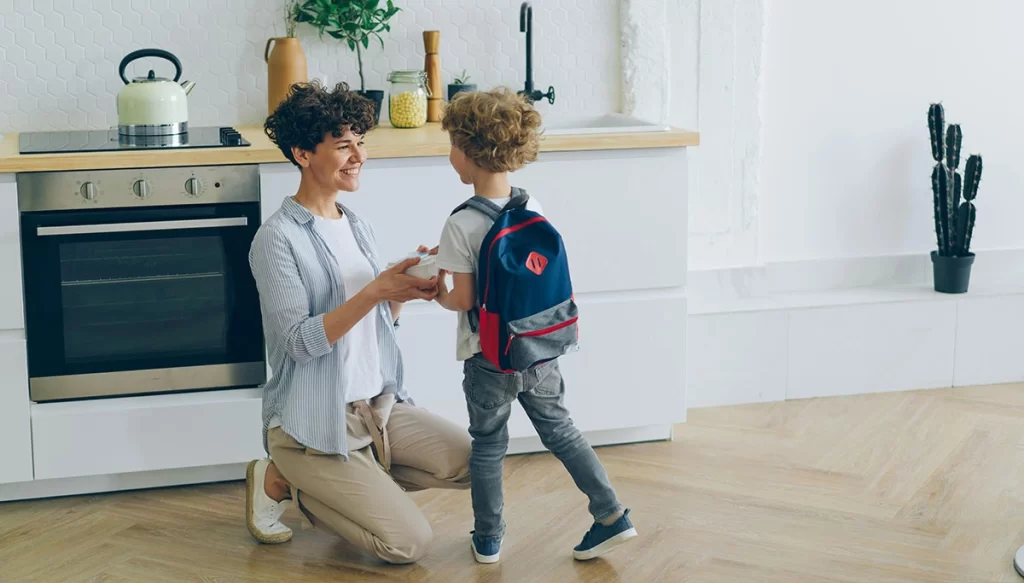
Strong parent-teacher communication enhances your child’s success.
Ask if the program:
- Has any parent volunteers
- Provides ways for you to support your child’s learning at home
- Often updates parents about their child
5. Hours And Location
Convenience is important, so try to find a program that:
- Is close to your home or work
- May offer after school care
Questions To Ask When Touring A Kindergarten
When visiting a potential program, don’t be afraid to ask questions that matter to you.
Some examples include:
- What does a typical day look like?
- How do you help children transition into kindergarten?
- What kind of communication is there between parent and teacher?
- How do children spend most of their time?
- What is the approach to discipline?
The Best Kindergarten Program in Tamarac
At JLP Inspiring Minds Private School, we believe that every child deserves a strong foundation built on care, exploration, and quality education. If you’re wondering whether your child is ready for kindergarten or just want to learn more about our private kindergarten program, we’re here to help.
Give your child the confidence to start strong. Call us today at 954-746-5437 to schedule a tour or speak with one of our caring educators.