
There are a lot of myths about private schools– but are they any true? Education is the foundation of our lives, and it makes sense that as parents we want the best for our children. This includes choosing the best schools, enrolling them in extracurriculars like sports, and fostering learning at home.
When it comes to private schools, how drastic is the difference? We’re here to bust some common myths about private school and share what parents should know about the early years education curriculum.
What Parents Should Know About Private School
There are plenty of myths and stereotypes surrounding private school. You may have preconceptions from what you’ve seen on TV shows or statistics reported on the news, but the real case for private schools isn’t what you expect. Let’s take a look at some of the most prevalent myths about private schools, including the curriculum and the types of students who are enrolled.
Myth #1: Academics Over Fun
While every curriculum should have a focus on level-appropriate academics, fun is essential in the early learning years. Children learn through play, not just through repetition and writing. Play provides a memorable learning experience that enhances their creativity and willingness to learn. Combined with the physical activity of learning through play, students work on their fine and gross motor skills alongside their cognitive capabilities.
This well-rounded approach defies the stereotype that private school children are desk-bound all day. It’s this well-rounded approach that helps children grow in confidence, ability, and academic achievement.
Myth #2: Only For The Best Students
Another prevailing myth is that private school is only for the smartest children. This is because some private schools, especially for older children, require an entrance exam. However, many private schools are open for enrollment without an exam. The true benefit of private schools is creating an environment that suits your child. There are many reasons why a private school might be better for your child, but the same can be said for public schools. You want to assess your child’s needs and what a good private school can offer for their development.
Myth #3: Private School Is Only For Wealthy Families
There’s a stereotype that private schools are only for affluent families, but this couldn’t be further from the truth. Private preschool children come from a wide range of backgrounds, both familial and financial. Many private schools also offer financial aid and scholarships. Many private schools also aren’t focused on being “elite”, instead focusing on providing a thorough approach to early learning.
Myth #4: There’s No Sport Or Art Development
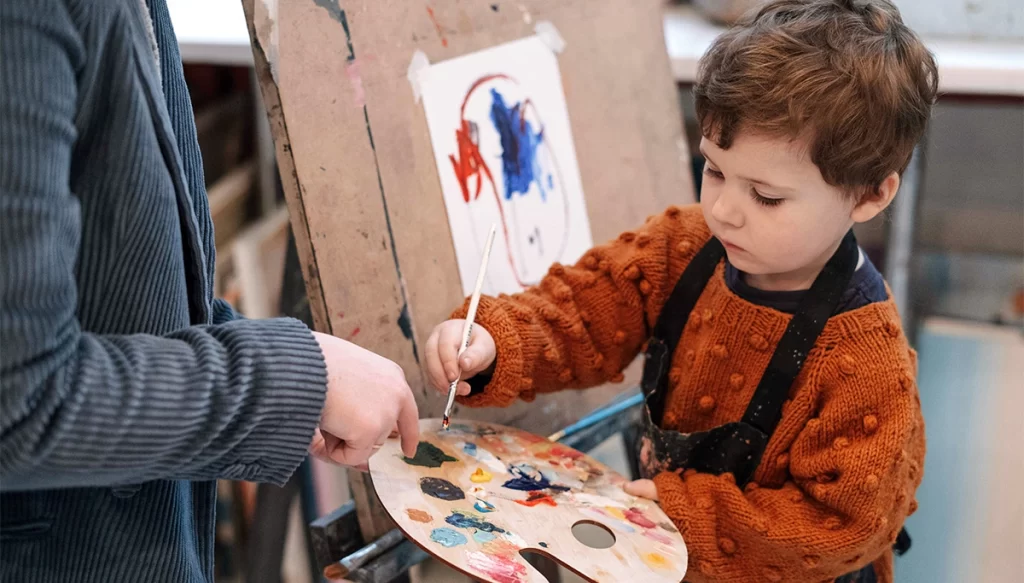
Just like the myth that private schools only focus on academics, there’s a myth that private schools neglect sport and artistic development. This couldn’t be further from the truth. Good private schools know that development is multifaceted, and physical activity in the early years is essential for good development. The same goes for artistic development– arts and crafts do more than just work on fine motor skills. They foster creativity, thinking outside the box, and an appreciation for culture and nature.
At JLP Inspiring Minds, we take sports seriously. We partner with All Sports Kids to provide extracurricular sports to our students, covering both sports programs and camps. This fosters teamwork, coordination, and gross motor skills, all essential for growing children. Their core sports include soccer, cheerleading, and basketball.
Myth #5: The Curriculum Is Different From Public Schools
While there may be some small differences in the curriculum between public and private schools, the skills children learn in the early years are largely the same. Some parents may choose private schools for particular subjects offered, like foreign languages or sciences. However, in providing government programs like voluntary prekindergarten, you’ll find that the curriculum is held to similar standards between public and private schools.
Myth #6: Private Is Better Than Public
At the end of the day, what’s best for your child is whatever works for them. Some children thrive in public schools, and others work better in the private school environment. As a parent, there’s peace of mind in the security and low student-to-teacher ratio of private schools. There are also excellent teachers in both public and private schools, teachers with a real passion for education and a desire to see your children succeed. We encourage you to explore all of your options when deciding for your child.
Choosing The Right Private School
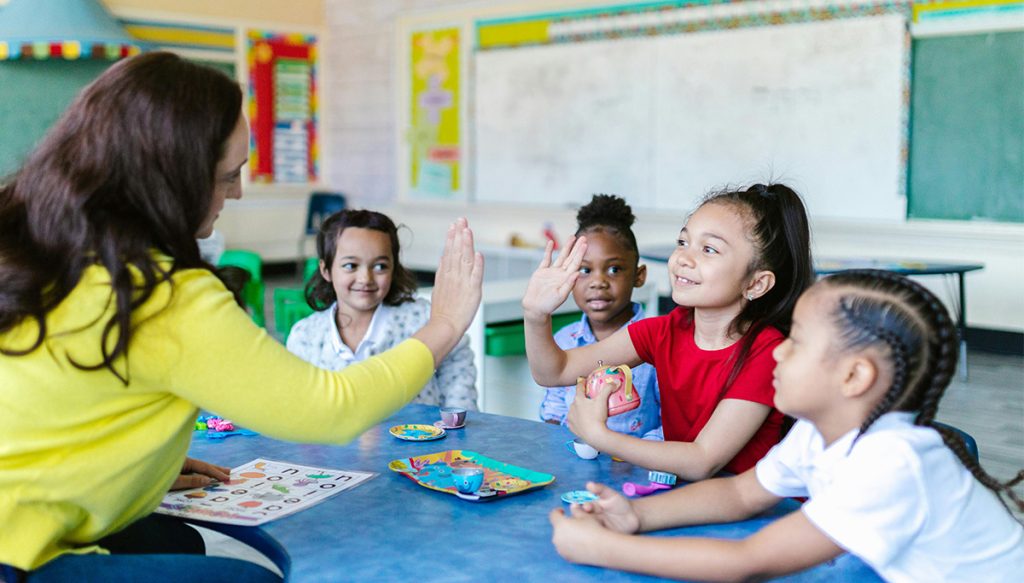
Choosing a private school that’s right for you and your child is a big task. You want to find a school that’s close by, has a well-rounded curriculum, and fosters your child’s learning development. In the early years of preschool, VPK, and first and second grade, how and what your child learns is essential. Explore local private schools in your area and see what their structure and curriculum have to offer.
One of the key benefits of private schools over public schools is the low teacher-to-student ratio. In fact, this is the leading reason parents choose private schools over public schools. Providing the right environment for learning can be more conducive to development than a curriculum with a high focus on academics. Children need a balance of independently directed work and guided work, and low class numbers facilitate this.
There are other elements that make private school an attractive choice. Many private schools have stricter security measures, including security cameras and touchpad entry. We highly recommend taking a tour of the private schools on your list and seeing their classrooms and facilities up close.
JLP Inspiring Minds Private School In Tamarac
At JLP Inspiring Minds, we take education and early learning seriously. We offer preschool, VPK programs, and early years education out of our Tamarac school. We know that childhood development requires balance, so we prioritize academics, art, and sport, along with a wide range of extracurriculars and extra learning opportunities. We know that these years form a critical foundation for later school life, and we want to help your children get the best start.
What are you waiting for? Contact us today and see what our school has to offer you and your child!