

- Understanding the Role of a Kindergarten Program
- What to Expect from the Classroom Environment
- The Value of a Nurturing Setting
- How to Evaluate a Kindergarten Program
- The Importance of Flexibility and Individualized Learning
- Partnering with Teachers and Building Family Involvement
- Enroll Your Kid at JPL Inspiring Minds
Choosing the right kindergarten program shapes how your child learns, builds confidence, and interacts with others. Early education introduces emotional development, curiosity, and foundational social skills. Understanding what defines a strong program helps you support your child’s growth from the beginning.
This guide highlights key factors to consider, including curriculum and teaching style, as well as the classroom environment. Each section is designed to help you make an informed decision that aligns with your child’s needs.
Understanding the Role of a Kindergarten Program

A strong kindergarten program sets the tone for lifelong learning. It helps children develop essential skills across social, cognitive, emotional, and physical areas through structured routines and meaningful interactions. The goal is to foster independence, cooperation, and a positive attitude toward learning.
Effective kindergarten programs are designed around early learning standards that align with both national and state educational benchmarks. These standards help ensure that children are progressing in core areas, such as language, math, and critical thinking. A balanced curriculum blends academic instruction with hands-on exploration to support these goals.
What to Expect from the Classroom Environment
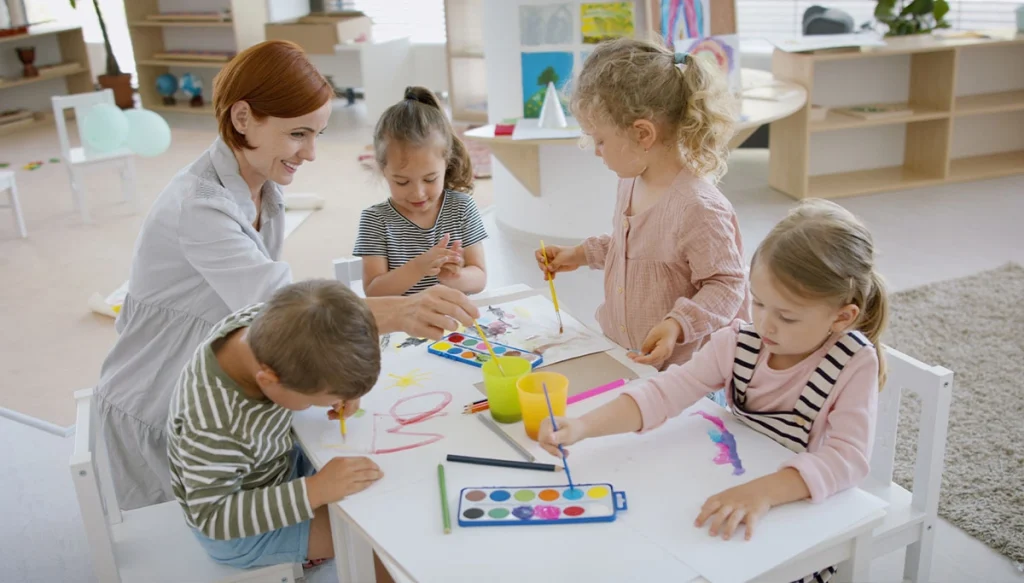
An early childhood classroom should be more than a space to learn letters and numbers. It needs to feel safe, inspiring, and tailored to the energy and curiosity of young children. This is what to expect from a setting that supports both academic and emotional growth.
Here is what to expect:
- Classrooms should feel safe, welcoming, and engaging, supporting both academic and emotional development.
- Learning spaces must include age-appropriate materials, interactive learning centers, and room for movement and creativity.
- Children should have opportunities to explore individually and collaborate with peers.
- Classrooms should include sensory stations, art corners, reading nooks, and hands-on materials that invite exploration.
The Value of a Nurturing Setting
Children learn best when they feel emotionally secure and genuinely cared for. A nurturing environment helps build self-esteem, emotional awareness, and respect for others. Instead of focusing only on milestones, a strong program supports emotional development alongside academic progress.
Some of the value to expect:
- A warm and respectful environment encourages children to take initiative and build confidence.
- Programs should help children develop empathy, respect for others, and emotional regulation.
- Learning experiences must be tailored to support each child’s pace, strengths, and learning style.
- Class routines should model empathy, turn-taking, and respectful communication throughout the day.
- Learning experiences should be adapted to meet each child’s pace, interests, and learning style.
How to Evaluate a Kindergarten Program
Choosing the right kindergarten program involves more than reviewing a curriculum. Parents should take time to observe classrooms, speak with staff, and understand how the program meets the needs of each child. A strong program combines structure with flexibility, allowing children to grow through both guided instruction and free exploration.
Observe how teachers interact with children and manage the classroom. A quality program will have educators who are warm, attentive, and skilled in early childhood development. They should promote active participation, respond to individual needs, and foster curiosity.
Key Areas to Evaluate
- Teacher Qualifications: Look for trained early childhood educators with experience and a strong understanding of developmental milestones.
- Student-to-Teacher Ratio: A lower ratio allows for more personalized attention and better classroom management.
- Daily Schedule: The day should include a mix of structured lessons, play, physical activity, rest, and creative time.
- Parental Involvement: Programs that welcome family participation build strong school-home connections and support learning continuity.
- Assessment Methods: Understand how progress is tracked and communicated, including how the program adjusts to each child’s pace.
The Importance of Flexibility and Individualized Learning
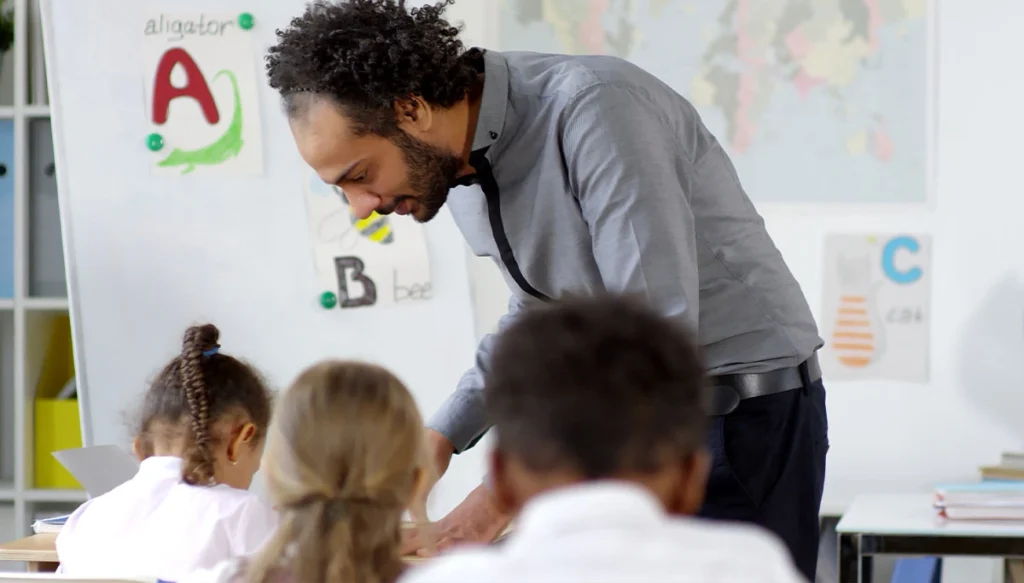
A high-quality kindergarten program recognizes that every child learns at a different pace and in different ways. A rigid, one-size-fits-all curriculum may overlook the strengths and struggles unique to each child. By offering flexibility and focusing on individualized learning, educators can create a more meaningful and practical early learning experience.
Supporting Different Learning Styles
Children process information in varied ways. Some learn by watching, others by doing, and some through listening or discussing it. A responsive program incorporates a range of activities that address these styles using play, visuals, movement, music, and storytelling.
Small-group instruction, learning centers, and hands-on exploration help teachers adjust lessons to meet the needs of individual students. When learning activities are adaptable, children feel seen and supported, which leads to higher engagement and better outcomes.
Encouraging Curiosity and Self-Paced Progress
Kindergarten should inspire children to ask questions, take initiative, and build independence. A flexible program allows students to progress through tasks at their own pace, revisit challenging material, or explore subjects that spark their curiosity. This reduces pressure while fostering a lifelong love of learning.
Teachers in these programs observe how children interact with materials, peers, and problems. They use these observations to gently guide learning without forcing it, encouraging self-directed discovery that builds critical thinking and resilience.
Adjusting Goals to Fit Each Child
Kindergarten programs that prioritize individualized learning understand that readiness varies from child to child. While benchmarks are important, they should be used as reference points rather than fixed requirements. Programs that track each child’s progress and adjust goals accordingly offer a more developmentally appropriate experience.
Ongoing assessment, both formal and informal, allows teachers to personalize support. Whether a child needs extra help with letter recognition or is ready for more advanced math concepts, the goal is to meet them where they are and help them move forward with confidence.
Indicators of a Flexible and Individualized Program
- Variety in teaching methods and daily activities
- Opportunities for choice in learning centers or tasks
- Open-ended play and creative problem-solving activities
- Progress tracking that reflects individual growth rather than strict comparison
Partnering with Teachers and Building Family Involvement
A strong kindergarten program fosters collaboration between families and educators. Parents play a key role in reinforcing learning at home and staying informed about their child’s development. When teachers and families maintain open communication, it creates a more cohesive and supportive environment for the child.
Teachers should provide regular updates about classroom activities, behavioral observations, and academic milestones. This can be done through newsletters, parent-teacher meetings, or shared portfolios. These insights help parents stay engaged and allow them to offer input based on their child’s unique background and needs.
Enroll Your Kid at JPL Inspiring Minds
Finding a kindergarten program that nurtures curiosity, supports individual learning styles, and promotes social and academic development lays the foundation for lifelong success. JLP Inspiring Minds offers a structured yet flexible approach that supports early learners in a safe, engaging, private school environment.
Our programs are designed to meet each child where they are, building confidence and school readiness through personalized instruction and play-based learning. Visit us today at 7147 N Pine Island Rd, Tamarac, FL to schedule your tour and see how JLP Inspiring Minds can support your child’s early learning journey.