

There are many milestones throughout your child’s life that you won’t forget as a parent; starting kindergarten is a big one. Sometimes that first day of school is emotionally harder on the parents than the children: it’s bittersweet to watch them grow up. For other children, this milestone is best delayed another year or so. Not all children are ready for kindergarten at the same time, and it’s perfectly normal.
Of course, you may now be wondering: what are the signs of kindergarten readiness? And what should you do to help if your child needs more time? The staff at JLP Inspiring Minds unpack these questions below.
Preparing Your Child For Kindergarten
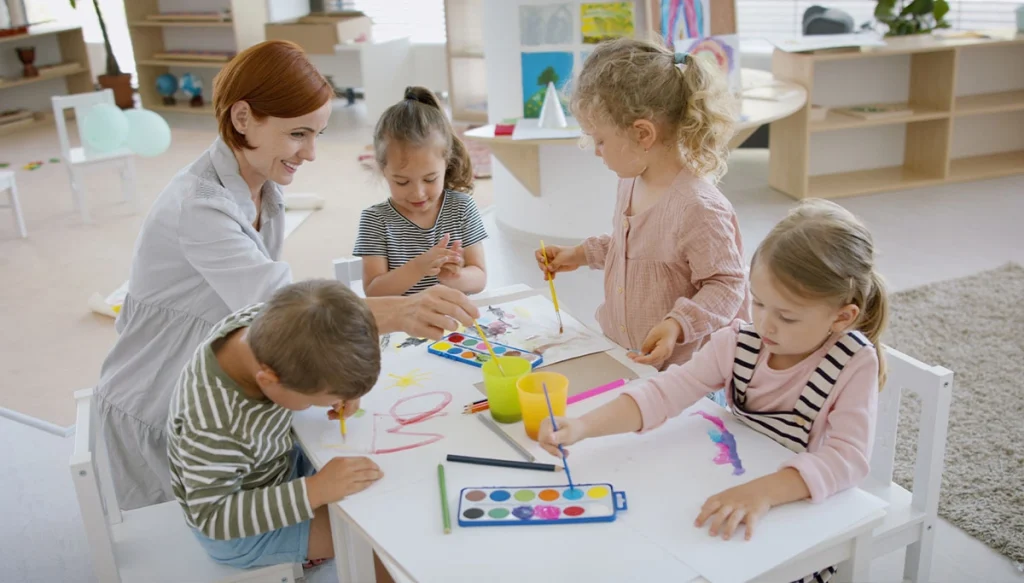
Legally, children must not only be five years old, but also have reached a level of emotional maturity, including cognitive and social abilities. This does not happen for all children at the same time, in the same way that not all children take their first steps at the same time. The range of time for kindergarten readiness is wide. The important thing is that your child is not rushed into this step, but arrives fully ready to thrive.
That’s why it’s important to start early with developing the necessary skills that kindergartners need. Your child may be years away from school, but even reading stories and engaging in interactive play time goes a long way toward building language and cognitive skills. In time, helping out with simple chores or having playdates with peers helps that development as well.
The classroom is a place that thrives on routine, so it’s important to implement a routine in your home as well. Again, this looks different for every child and household, but the main idea is the same: certain activities happen at specific hours throughout the day, whether it’s meal times, reading stories, nap time, bath time, coloring or making crafts, going to the park, or visiting the library.
There is no one right way to start a routine: the important thing is to keep kids engaged with the world around them, rather than constantly looking at screens. Though a little screen time isn’t bad, experts recommend no more than one hour of TV or computer use at a time per weekday.
Skills To Master Before Starting Kindergarten
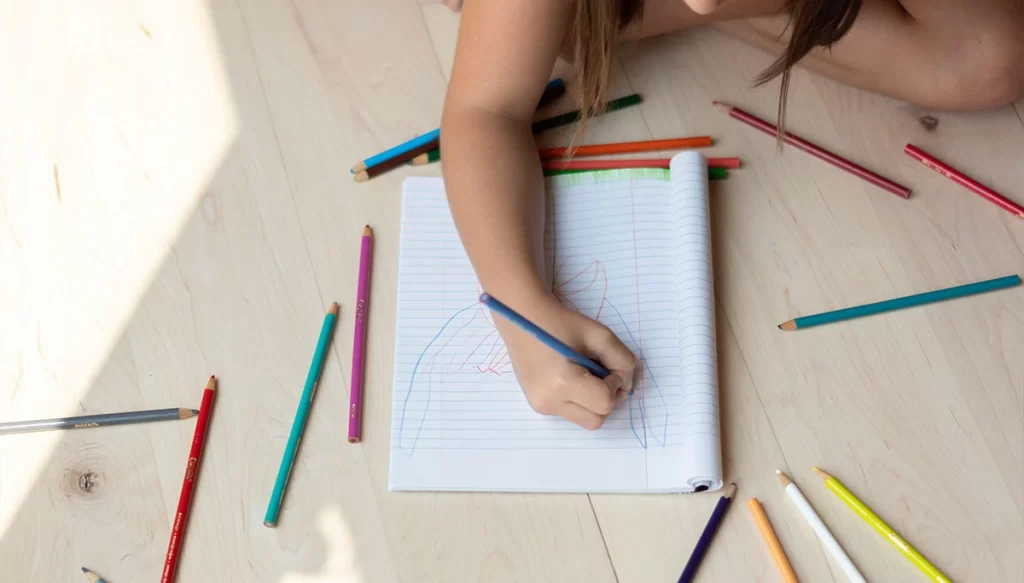
Once your child is nearing the age of five, they may be ready for kindergarten enrollment if they have the following skills:
Following Simple Instructions
Whether it’s picking up toys after play time, helping to set the table, unloading the dishwasher, or helping fold laundry, following basic instructions is a key part of the kindergarten day.
Understanding Their Name
For both safety and practical purposes, your child should know their full name and how to spell it before starting kindergarten.
Being Able To Sit Quietly
Children love to explore and are naturally wiggly creatures, but reading stories to them is a great way to learn this skill, which will help them tremendously during classroom lessons.
Knowing Shapes And Colors
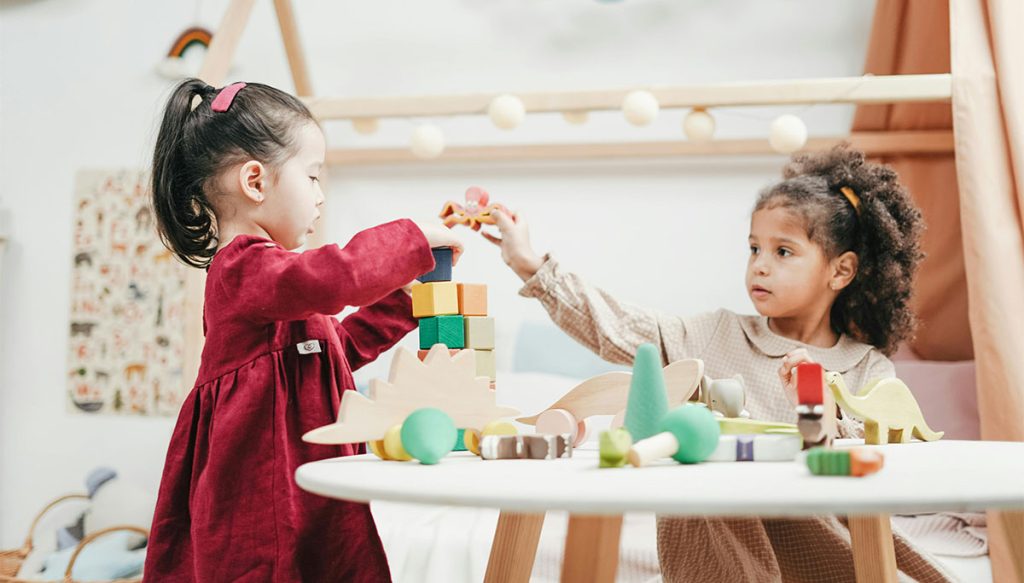
Coloring books with crayons are a great way to teach these skills. You can also point out shapes and colors as you notice them while out and about, or in the books you read together.
Knowing How To Use The Potty
Perhaps one of the biggest indicators of kindergarten readiness is the ability to use the bathroom independently. Your child should also understand the importance of washing their hands afterwards to avoid spreading germs, with minimal help from grown-ups.
Able To Regulate And Communicate Feelings
This may be one of the next hardest skills for young people after learning to use the potty. However, if a child is sad or angry about something, adults can only help them if they know how to clearly express what is wrong.
Signs Your Child Is Not Ready For Kindergarten
You may look at the list above and realize that your child is exhibiting few, if any, of the required skills yet. Young children don’t have to necessarily be proficient in subjects like letters or numbers, but at least be progressing in that direction. Kindergarten is mainly defined as readiness to learn and the ability to absorb new information.
However, some basic self-help skills are needed to thrive in a classroom setting. Children need to be able to communicate on a basic level with staff and peers, as well as follow simple directions, so as not to deter class productivity. Hyperactive children could potentially distract other students and may require an additional year of growth and preparation.
If that sounds like your child, no need to worry: children progress at different rates, and your child is on her or her own path. He or she will be ready in time. This is not an indication of your child’s overall intelligence or ability to learn.
Ultimately, every family must decide on their own whether their child is ready for kindergarten, perhaps with input from a pediatrician or other early childhood professional. As the parent, you know your child better than most, and you know what they need to thrive. Kindergarten should be a healthily challenging environment, without being too overstimulating.
Starting Kindergarten In Tamarac
Kindergarten readiness is a very big deal for kids and parents. The next step after determining readiness is choosing the right school. JLP Inspiring Minds is a private school in Tamarac, Florida, that is passionate about nurturing young minds socially and emotionally, as well as academically. From smaller class sizes that offer individualized attention and catered lesson plans that address each child’s needs, our kindergarten program helps set a foundation for a successful academic career.
Enrollment fills up quickly, so call today at 954-746-5437 to speak with our staff.